
The complete guide
How to Choose a 70 Watt Grow Light for Indoor Plants
The problem with growing indoors
Most indoor plant trouble comes back to light. People check soil, change pots, worry about watering, and the plant keeps looking sad. Meanwhile the real issue is sitting in plain sight. A bright room feels bright to your eyes because your eyes adjust brilliantly. A plant cannot adjust. It just measures what lands on its leaves, and in a typical home that number is far lower than it looks.
You see it clearest with seedlings. Sow a tray in late winter, put it on the sunniest sill you have, and within ten days the stems are long, thin and leaning hard toward the glass. That stretch is the plant hunting for light. Once a seedling stretches, it rarely recovers into a sturdy plant. Herbs do something similar. Basil on a kitchen counter goes leggy and pale, puts out small leaves, then gives up.
A grow light solves this by putting a reliable light source directly above the plants, at a distance you control, for however many hours you choose. The 70 watt class is where it starts to make sense for home growers. Below that you are mostly dealing with decorative bulbs. Above it you are into tent-scale gear with the cost and heat that brings.
How a modern LED grow light works
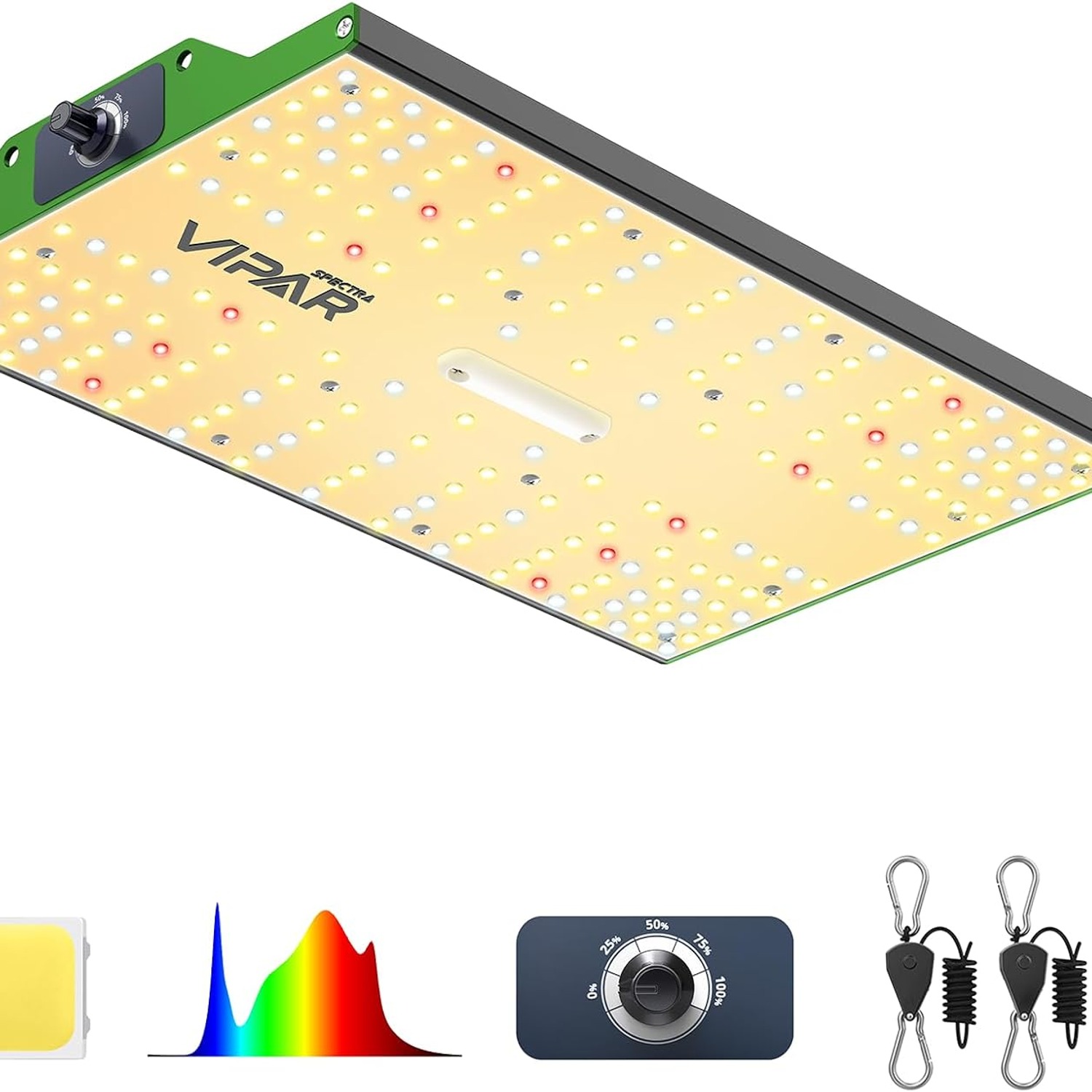
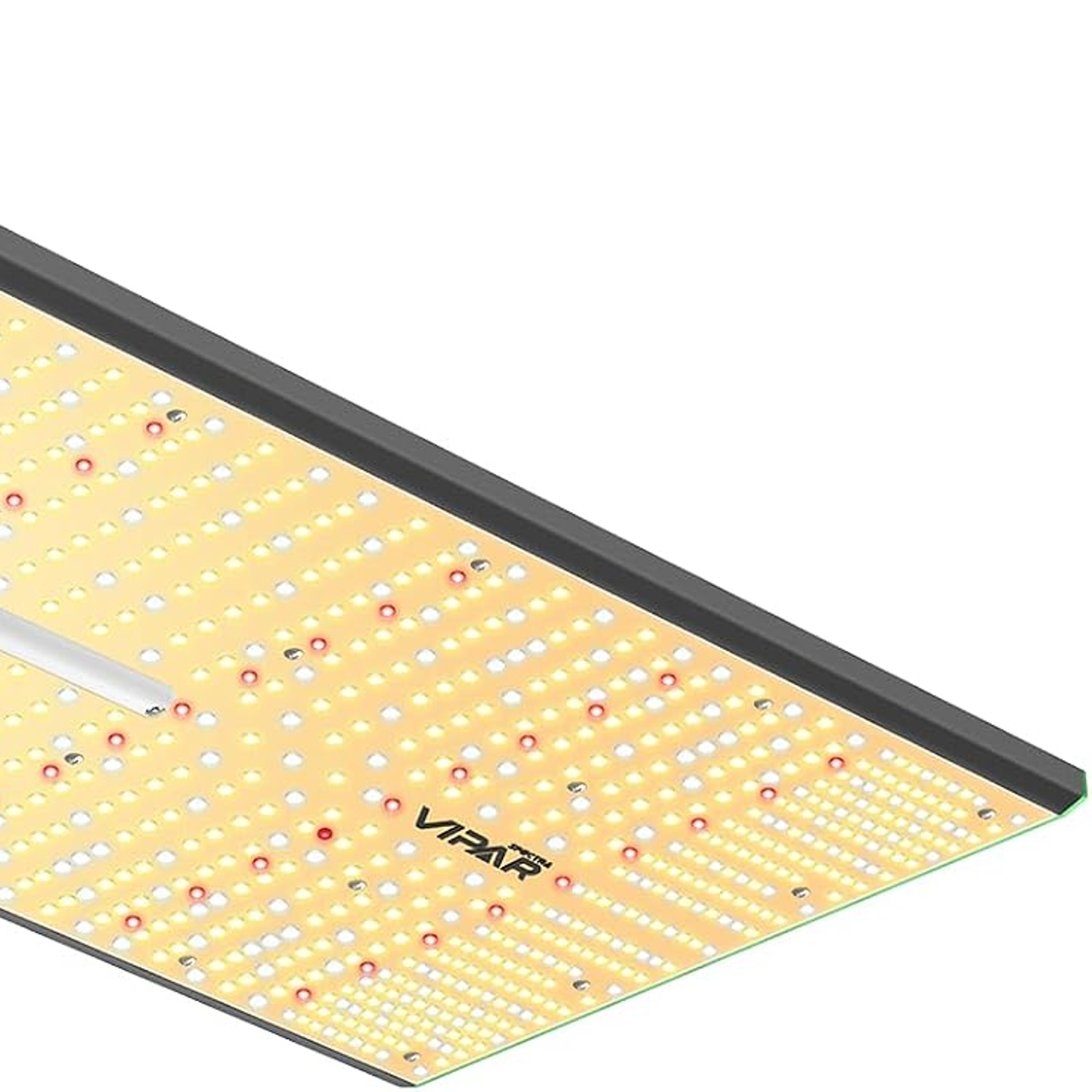
An LED grow panel is a board of small diodes behind a lens face, bolted to something that carries heat away. In this panel there are 216 diodes and the heat sink is aluminum.
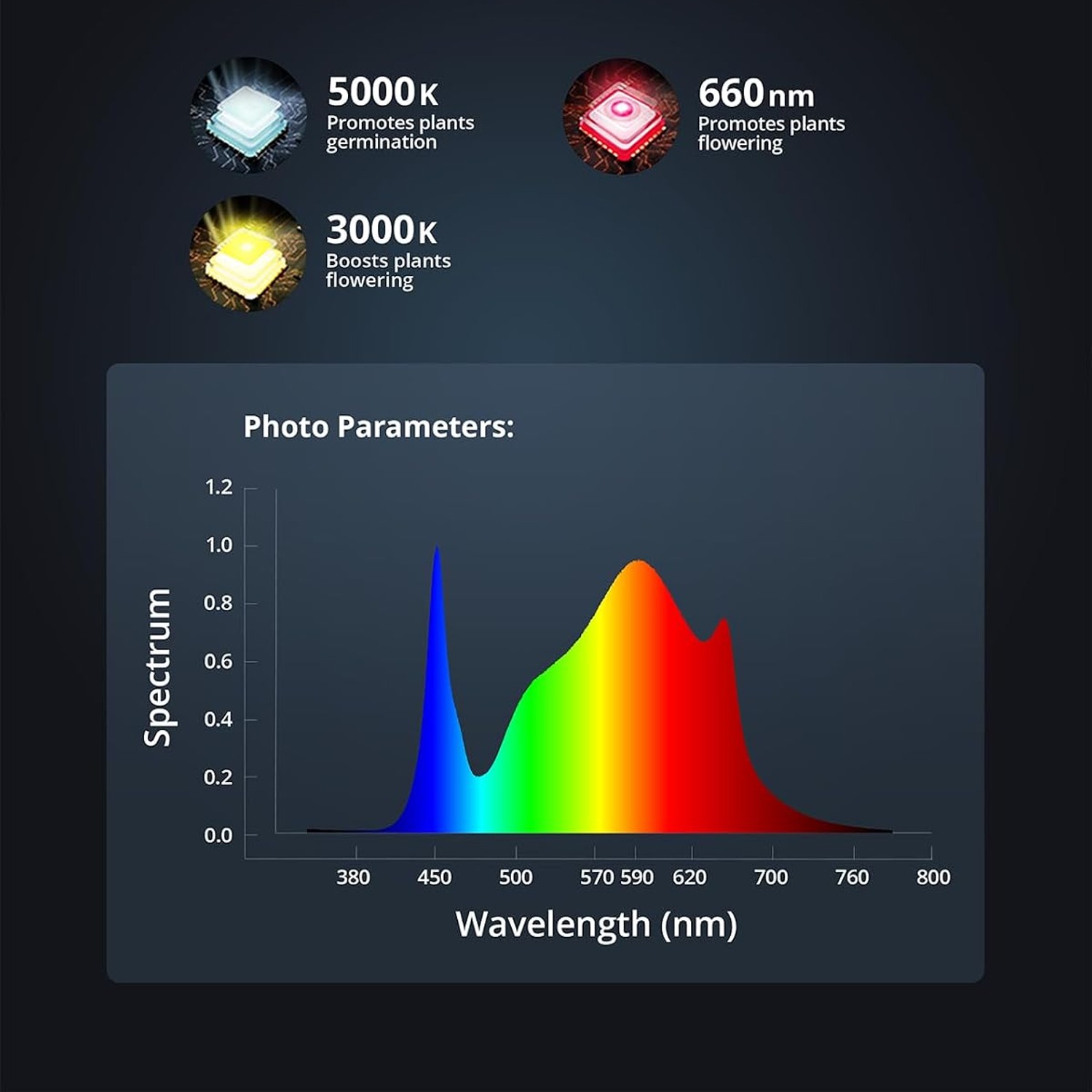
What makes a grow light different from a bright ceiling light is the mix of wavelengths. Plants use some parts of the spectrum heavily and others barely at all. Red light around 660nm is one of the parts they use most, which is why dedicated panels include red diodes. This one pairs 660nm red with white diodes at 3000K and 5000K. The whites fill in the rest of the visible range and, as a practical bonus, make the light look normal to you. Older panels that ran red and blue only cast a purple glow that made it almost impossible to judge leaf color. Under a white-dominant panel you can spot a yellow leaf or a pest the moment it shows up.
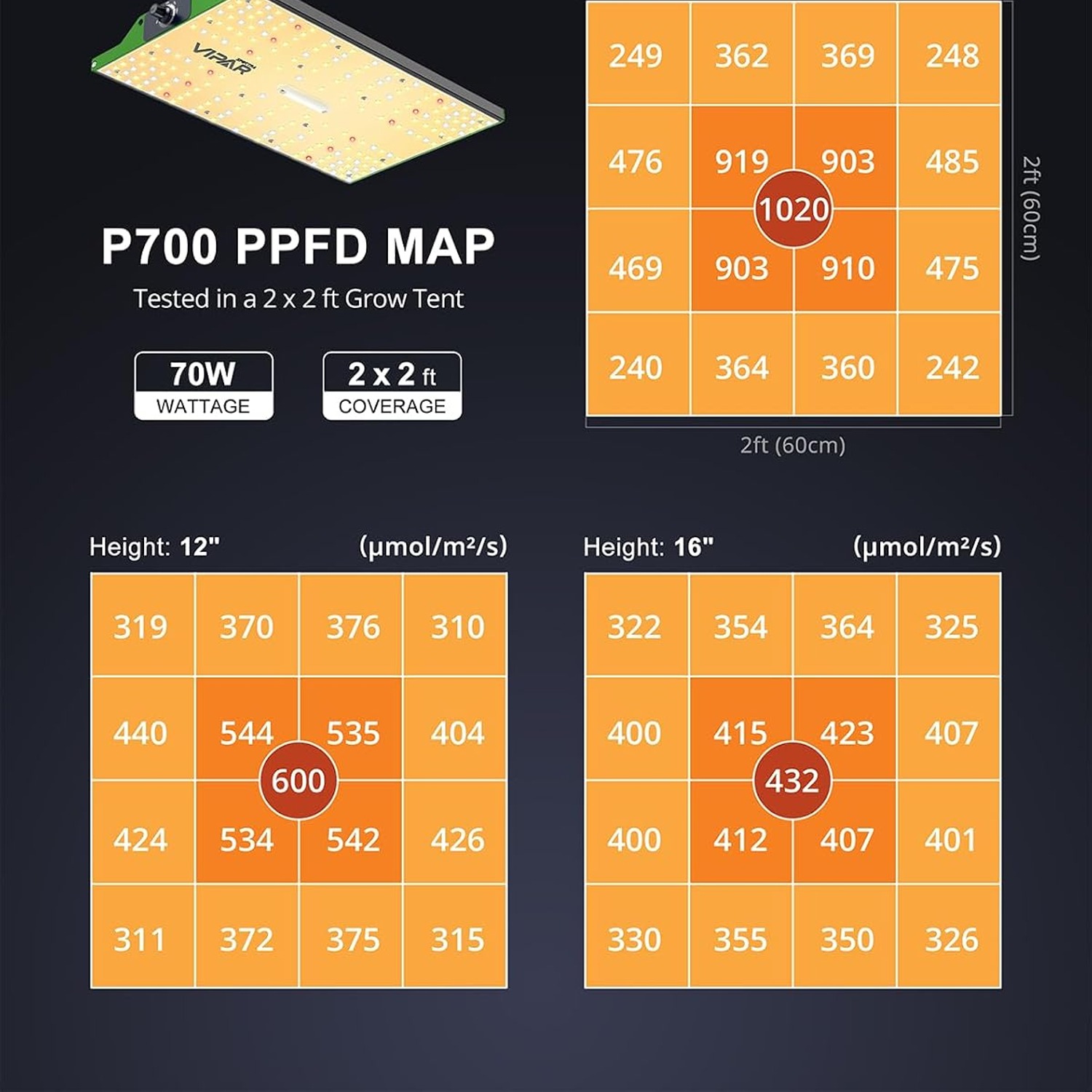
Output here is rated at up to 11000 lumens at full power. Lumens measure brightness as a human eye sees it rather than as a plant uses it, so treat the number as a rough guide to intensity rather than a growth promise. The more useful figure is the coverage rating. VIPARSPECTRA states a 2x2 ft vegetative area, and that is the sensible way to plan your setup.
Heat is handled passively. There is no fan, just large aluminum fins doing the work. That is a real advantage for a light living in a bedroom or home office. Fans hum, they pull in dust, and they are often the first part of a cheap panel to die. A fanless panel has nothing to go wrong in that department. It does mean you should leave a bit of air space above the panel rather than pressing it flat against a shelf underside.
Who this size suits
Think in terms of footprint, not ambition. A 2x2 ft area covers a surprising amount if you plan it well.
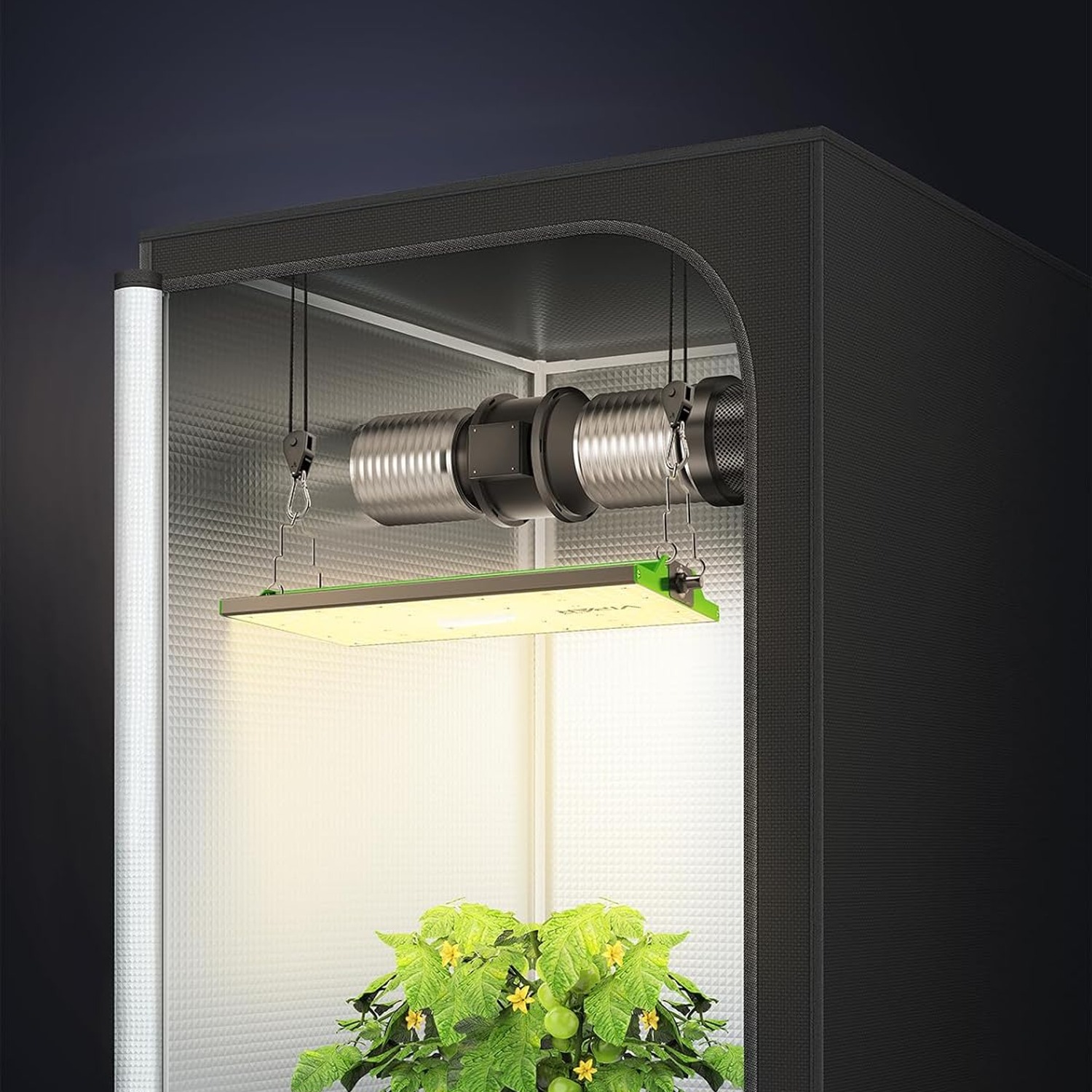
It works for someone starting one or two seed trays each spring, for a herb shelf in a kitchen or utility room, for a propagation station full of cuttings in water, and for a small 2x2 grow tent doing leafy greens. It also works as supplemental light over a cluster of houseplants in a corner that gets almost no sun.
It is not the right tool if you want a heavy fruiting crop, if you are lighting a full 4x4 tent, or if you want to light an entire room. For those jobs you either run several panels or step up to a much higher wattage fixture. There is no shame in buying two of these and spacing them along a shelf, which is what a lot of people end up doing once they catch the growing bug.
Choosing and setting up
Start by measuring your space. Measure the shelf or counter width and depth, then the clear height above it. The panel is 1.34 inches thick, so it barely eats into headroom, but you still need a few inches of hanging distance between the light and the tallest plant.
Next, sort your mounting. Two stainless steel hooks come in the box. If your fixing point is fixed height, adjustable rope hangers are a cheap upgrade because they let you raise the light a few inches at a time as plants grow. Without them you end up stacking books under pots, which works but is not elegant.
Then plan your schedule. A simple plug-in timer is the single best accessory you can buy. Plants respond to consistency, and a timer removes the chance that you forget to switch the light off before bed. Fourteen to sixteen hours is a common range for seedlings and leafy growth, with a genuine dark period after.
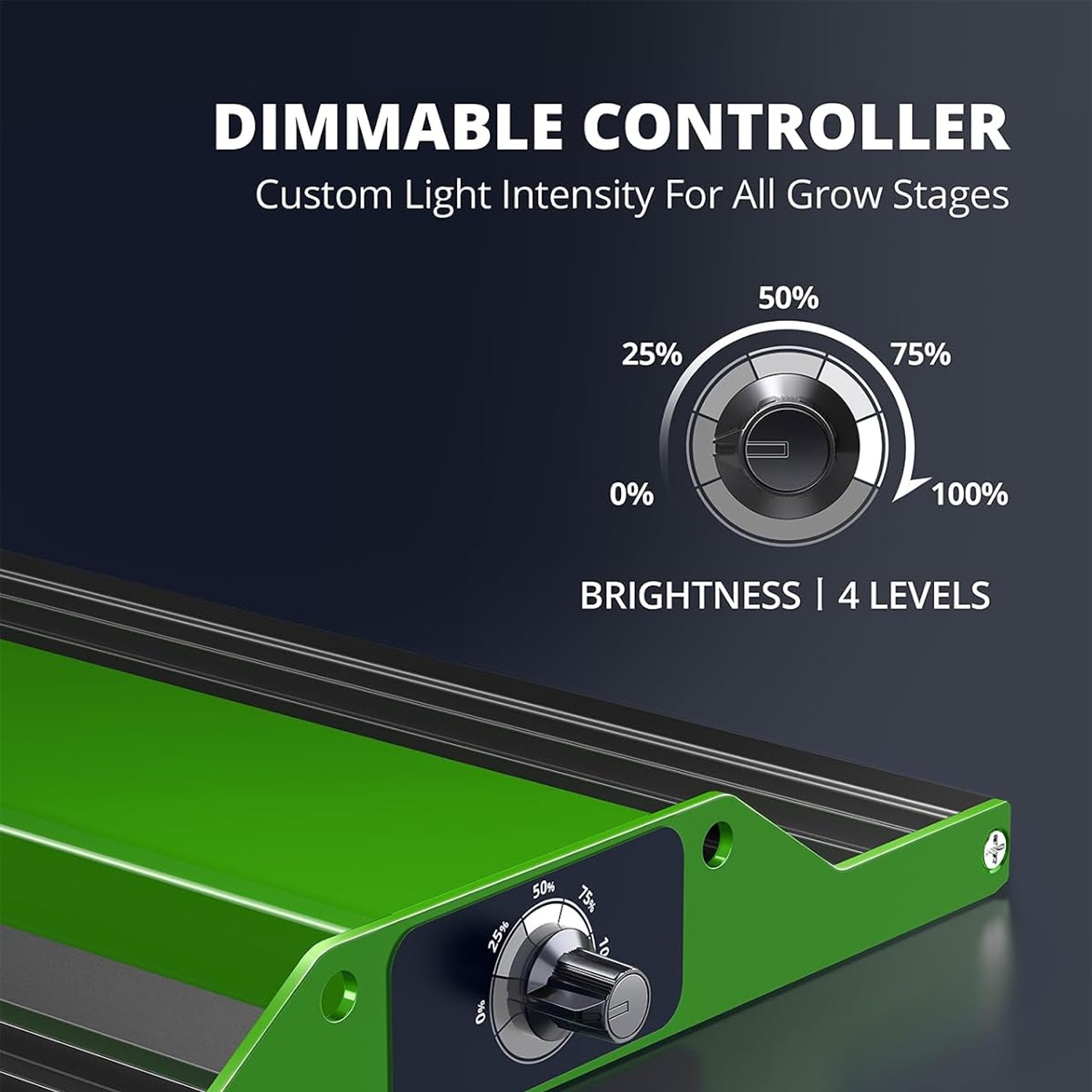
Use the dimmer properly. Four levels is enough range to be useful. Fresh seedlings that have just broken the surface do not want full blast at close range. Start lower, watch them for a few days, then step up. If leaves start looking bleached or washed out at the center of the lit area, you are either too bright or too close. If plants are still leaning and stretching, you are too dim or too far away. The plants will tell you within a week.
Running costs and electrical notes
Seventy watts is modest. Run it sixteen hours a day and you are using a bit over a kilowatt hour daily, which costs less than most people assume. The comparison VIPARSPECTRA draws is with a 150W HPS or MH lamp, the older technology that did the same job with far more heat and far more power.
Check the electrical specification against your region. The listing states 120 volts and 0.65 amps, corded electric. If you are on a 230 volt supply, confirm the plug type and voltage compatibility before you order so there are no surprises on the doorstep.
Looking after it
There is not much to do, which is the point of a fanless aluminum panel. Dust is the main enemy. A film of dust on the lens face quietly reduces how much light reaches your plants, and because it happens slowly you never notice. Unplug the light, let it cool, and wipe the face and the heat sink fins with a dry or barely damp soft cloth every few weeks.
Keep water away from the panel, cord and connections. When you water or mist, move the plants or angle the can so nothing splashes upward. Check your hooks and hanging points occasionally, especially if you move the light around.
The panel carries a 3 year limited warranty, so hold on to your order confirmation.
The short version
If your plants are stretching, pale or stalled, light is the first thing to fix. This 70 watt panel gives you a full spectrum source over a 2x2 ft area, with 216 LEDs, 11000 lumens at full tilt, and a four-level dimmer so you can suit seedlings one month and mature herbs the next. It runs silently with no fan, hangs from two included hooks, weighs 2.4 pounds and sits only 1.34 inches deep.
It is best thought of as a seedling and vegetative light rather than a flowering workhorse. Within that job, for a shelf, a propagation station or a small tent, it does what it needs to do without noise, heat or a complicated setup.